Resin bonded driveways in Teesside
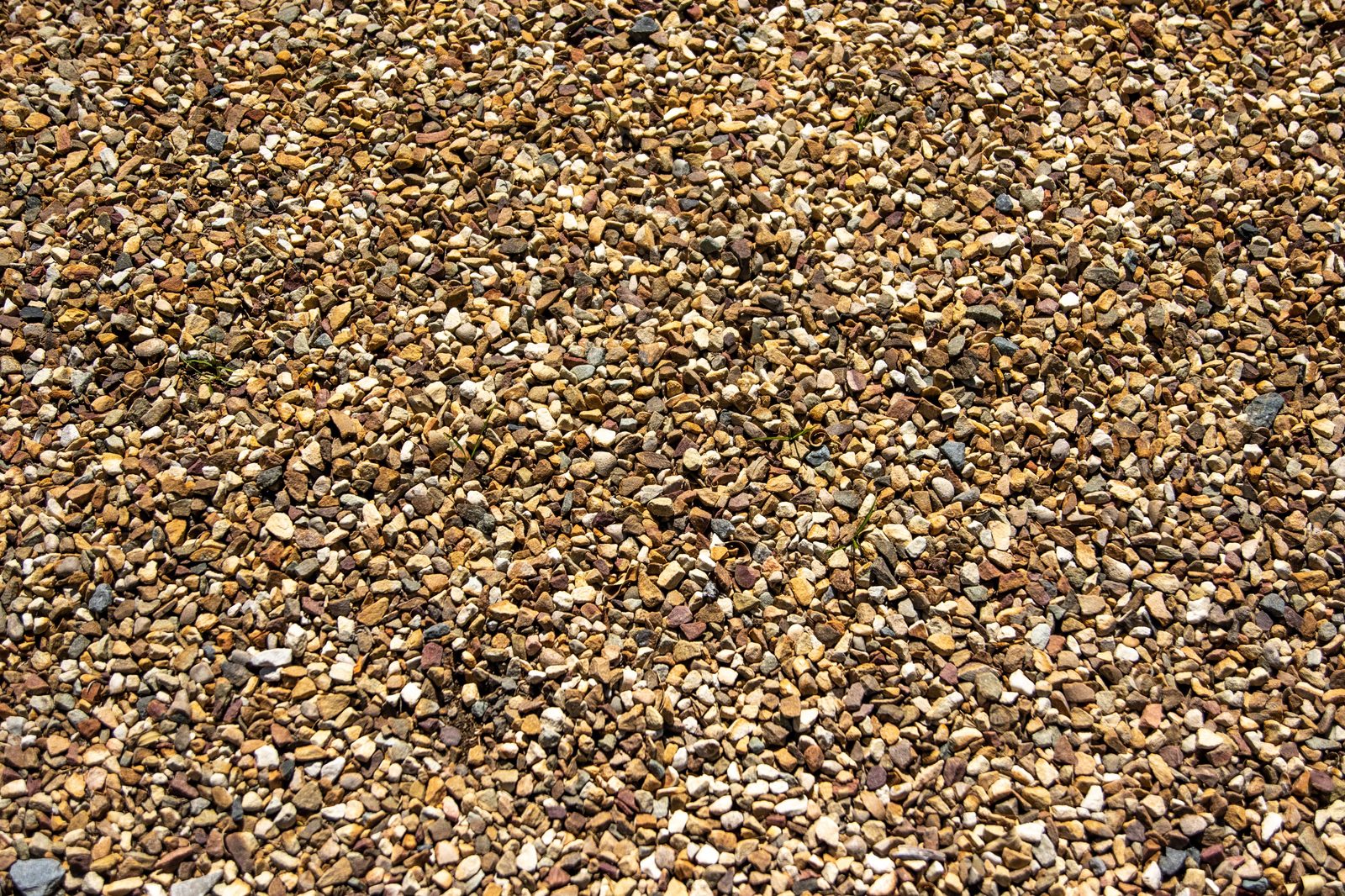
Resin bonded is the scatter system: a resin film applied to the base with aggregate broadcast over the top, giving a textured, gravel-look finish with outstanding grip. From £50 to £85/m² on Teesside. It is non-permeable, so drainage has to be planned, but on slopes it outperforms everything else underfoot.
Bound and bonded are not the same thing
The names confuse everyone, so here is the distinction that matters. Resin bound mixes stone through the resin and trowels it: smooth and permeable. Resin bonded spreads a film of resin across the base, then broadcasts dry aggregate over it so the stone sticks to the surface: textured and non-permeable. Think of bonded as gravel that cannot move. You get the look and crunch of a loose-stone drive with none of the migration, rutting or weekly raking.
Because the stones sit on top rather than inside the binder, a bonded surface is around 4 to 8mm thick and has a naturally aggressive texture. That texture is the product: it is why bonded systems are specified on ramps, sloped drives and anywhere winter grip is the deciding factor.
Where bonded wins on Teesside
- Sloped drives: the pitched plots around Hartburn, Fairfield and the banks down to the Tees give smooth surfaces a hard time in frost; bonded's texture keeps tyres and footing honest.
- Period properties: the gravel aesthetic sits naturally against the Victorian and Edwardian fronts of central Stockton, Yarm High Street and Saltburn-side terraces, without loose stone ending up on the pavement.
- Budget-conscious refreshes: at £50 to £85/m² it undercuts resin bound by roughly a quarter while still transforming a tired frontage.
The drainage caveat, stated plainly
Resin bonded is not permeable. Water sheds off it exactly as it would off tarmac, which triggers the 2008 front-garden rule: more than 5m² of non-permeable front-garden surfacing needs planning permission unless runoff drains to a lawn, border or soakaway. On most Teesside front gardens that is solvable with a channel drain at the threshold or a fall towards a border, and it should be drawn into the quote, not discovered afterwards. If the garden has nowhere for water to go, resin bound is the honest recommendation instead; the bound vs bonded guide walks the decision properly.
Base requirements and lifespan
Bonded systems are almost always laid over existing sound tarmac or concrete, or over a new non-permeable base. The resin film bonds chemically to the substrate, so the base must be clean, dry and structurally solid; flaking or cracked bases get repaired first or the delamination comes with them. Expect 8 to 15 years of service. Scatter systems can shed a little stone in the first weeks (the loose excess is swept off after curing), and high-stress spots like tight turning circles may need a local top-up over the years.
Colours and finishes
The same aggregate families as bound systems: golden quartz, silver grey, red granite and mixed flint blends, in slightly larger stone sizes for texture. Because the finish mimics traditional gravel, sympathetic colours suit Teesside's older housing stock best. For a smoother, permeable alternative in the same palette, see resin bound driveways.
Areas We Cover
- Resin driveways in Middlesbrough
- Resin driveways in Stockton
- Resin driveways in Billingham
- Resin driveways in Redcar
- Resin driveways in Saltburn
- Resin driveways in Guisborough
- Resin driveways in Hartlepool
- Resin driveways in Yarm
- Resin driveways in Eaglescliffe
- Resin driveways in Ingleby Barwick
- Resin driveways in Thornaby